Summer on Scilly
I've been visiting the Abbey Gardens on Tresco, Isles of Scilly since I was a small child. At that time there was a landing charge, so as a family we only ever went for two reasons: the Tresco fete and Shakespeare. From 1979 the Miracle Theatre Group performed an annual play in the Gardens and it was a highlight of my teenage years. I give them credit for my love of Shakespeare and outdoor performances. Even today, visiting the gardens, I look out for the open 'stage' and the whole atmosphere comes back in a flash.
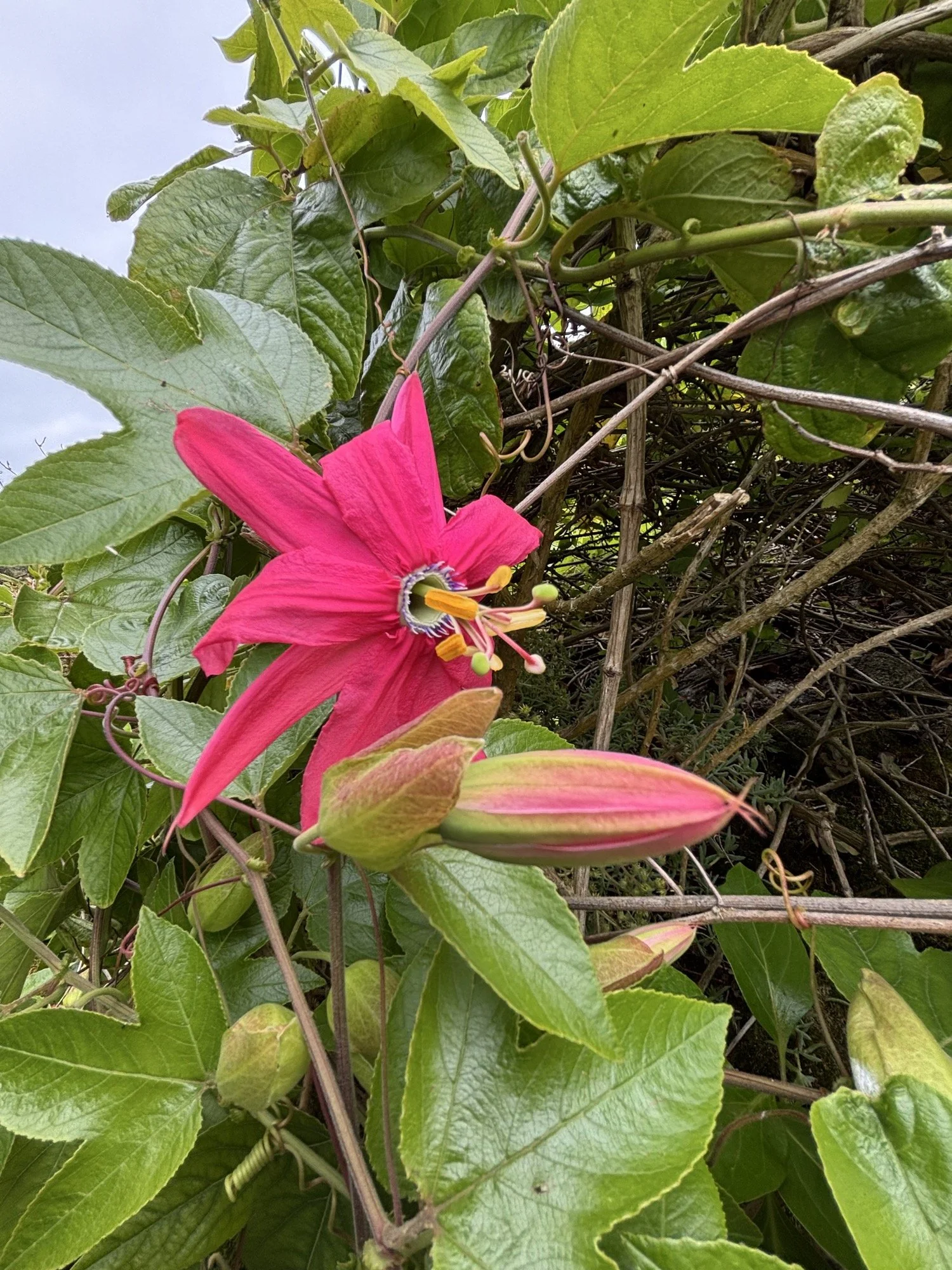
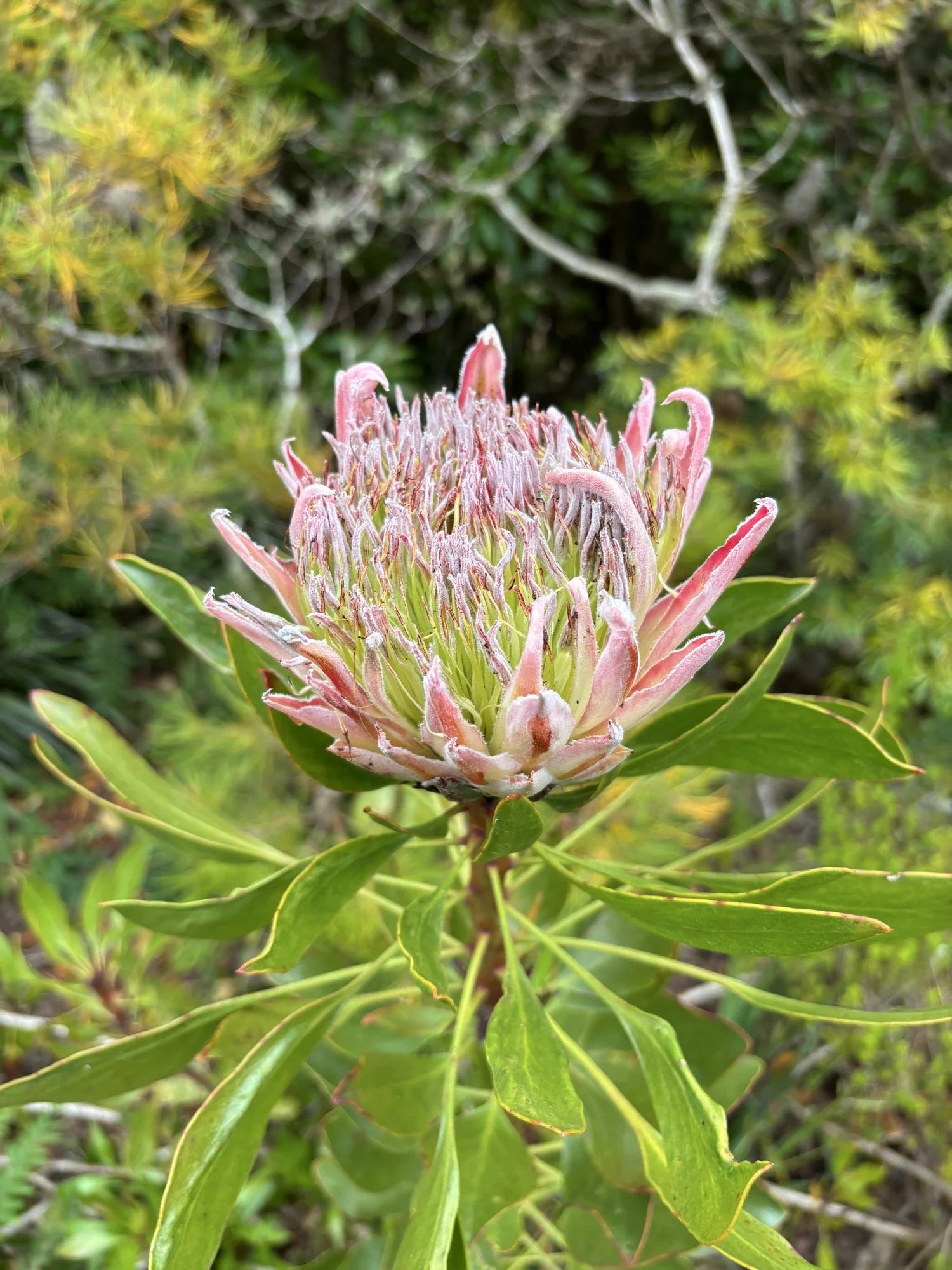
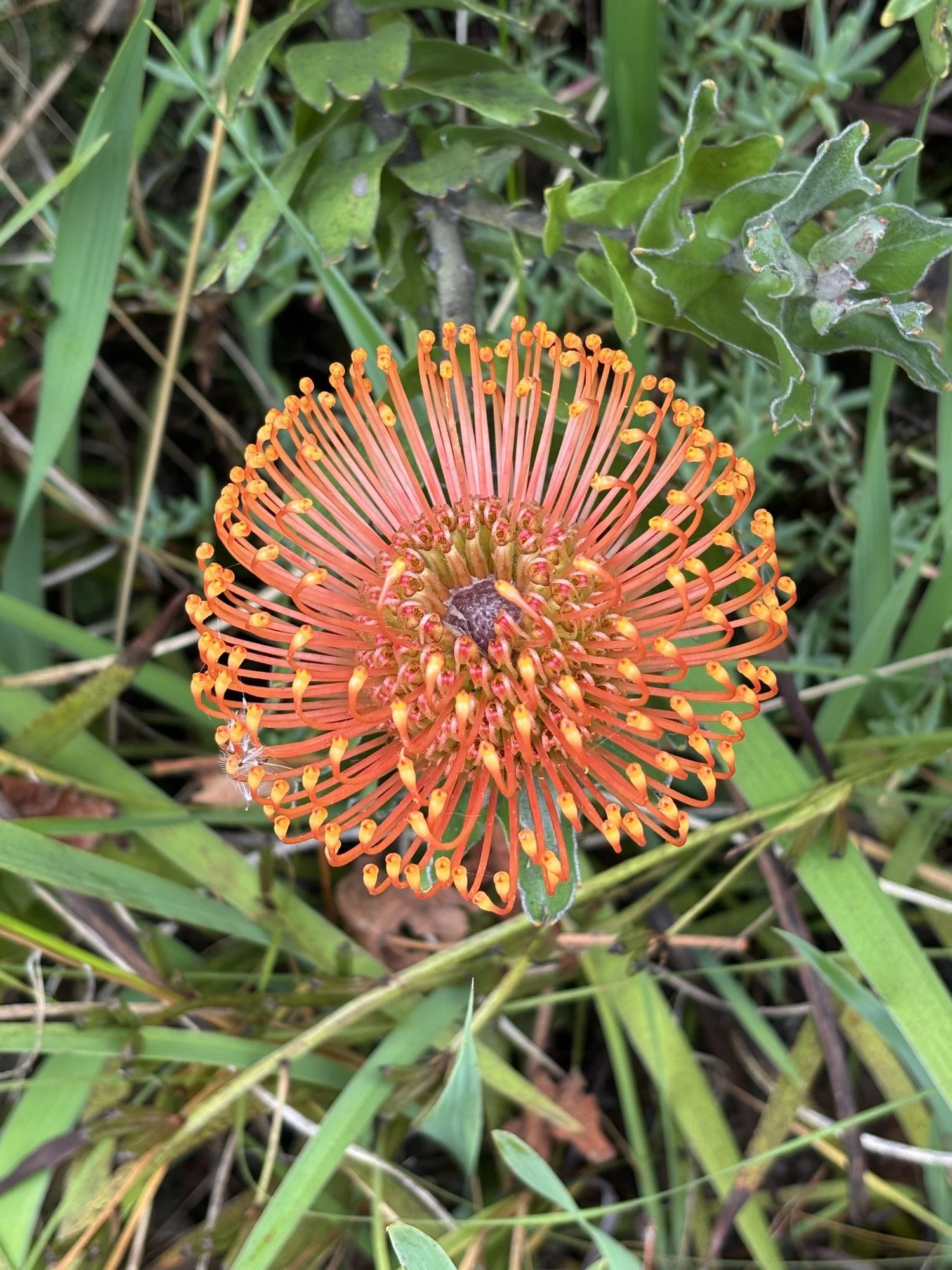
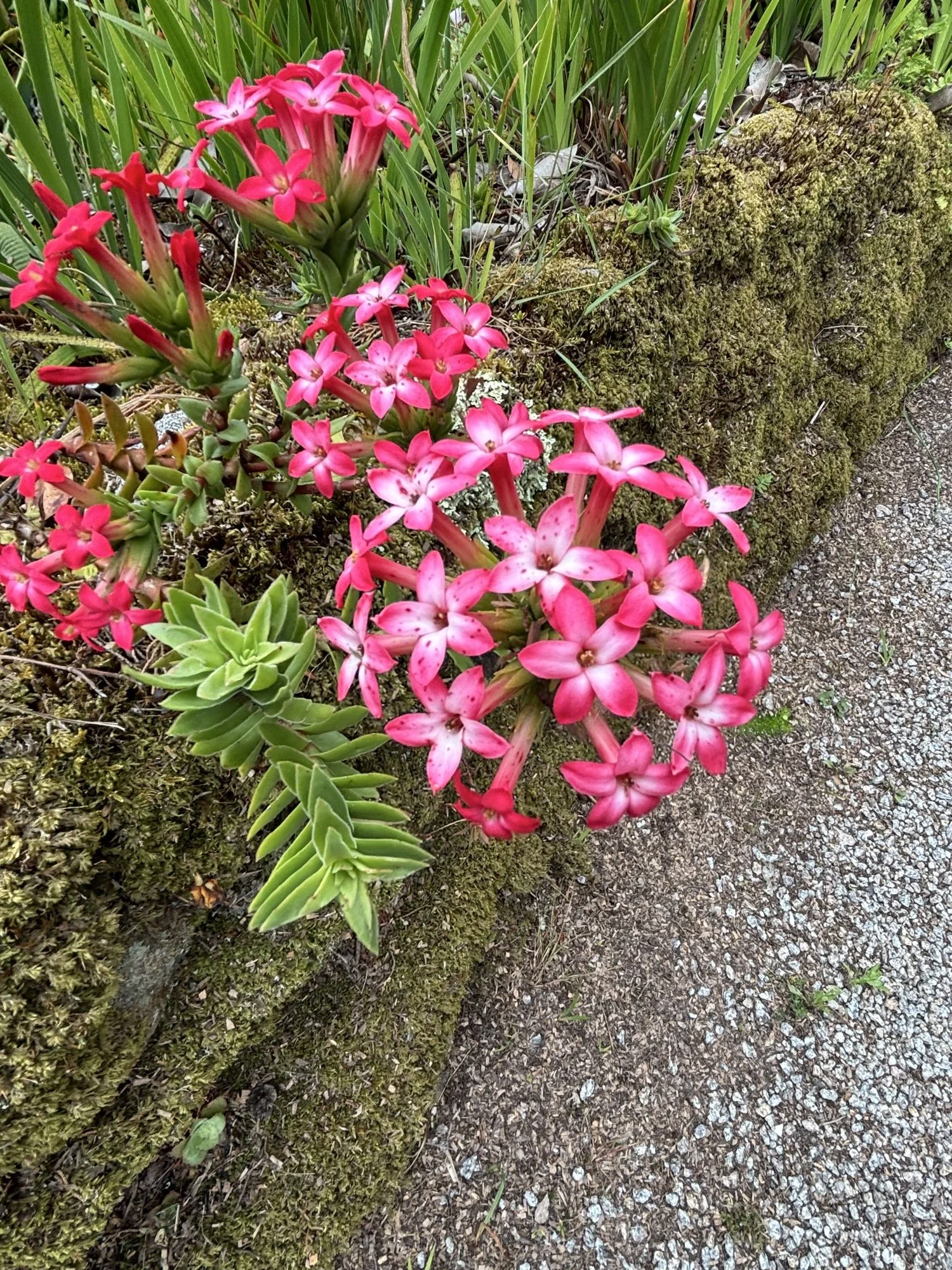
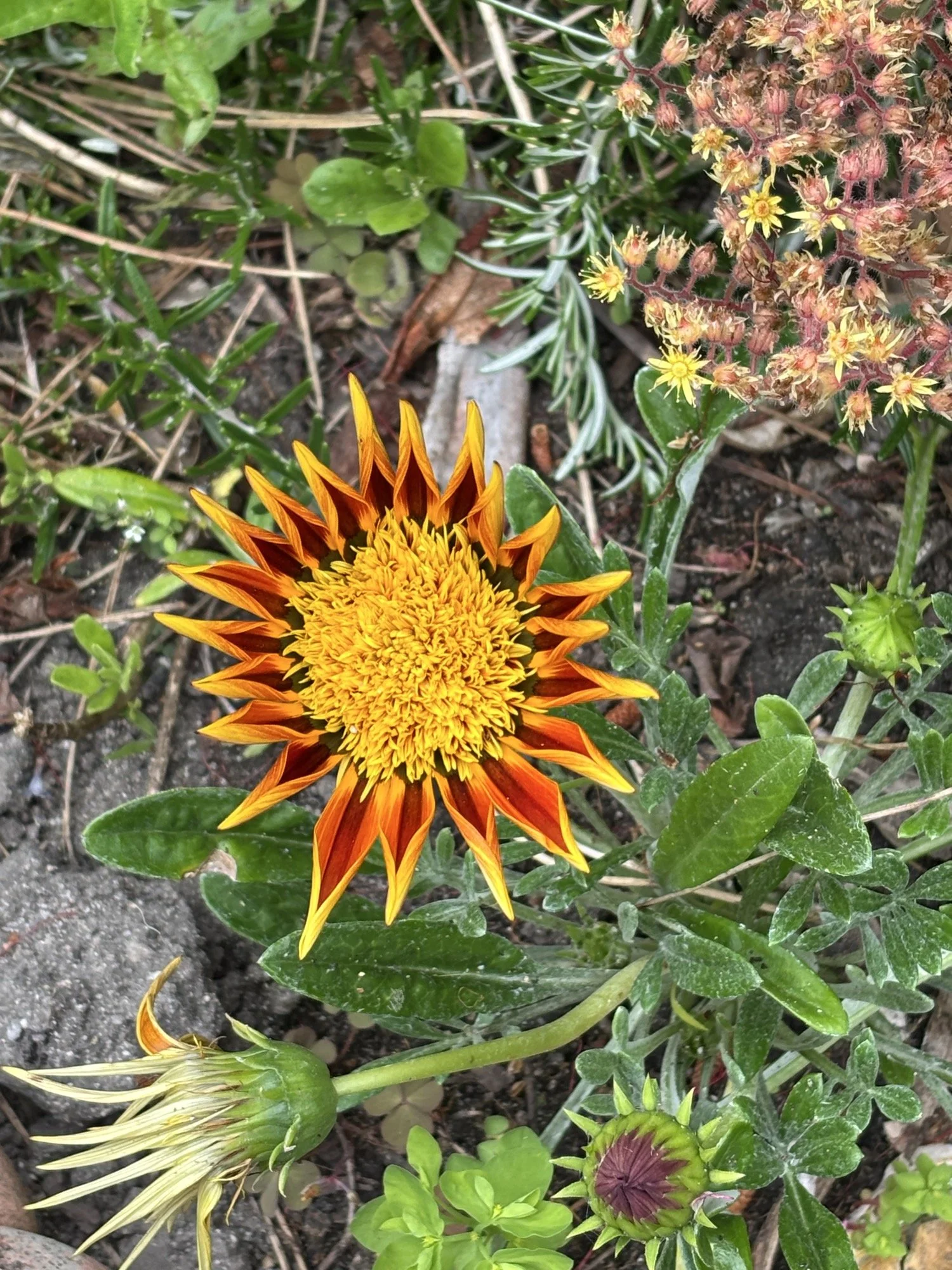
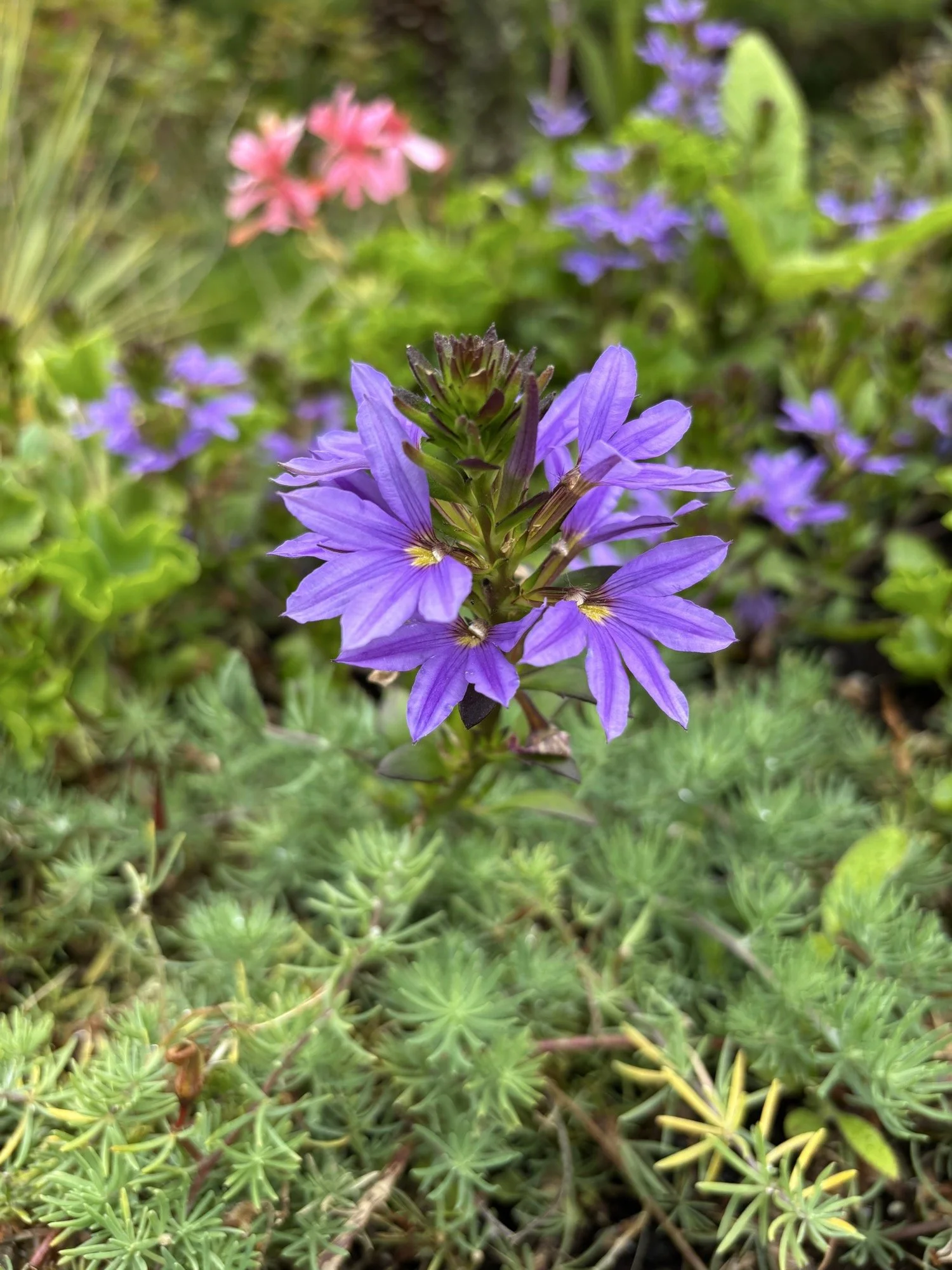
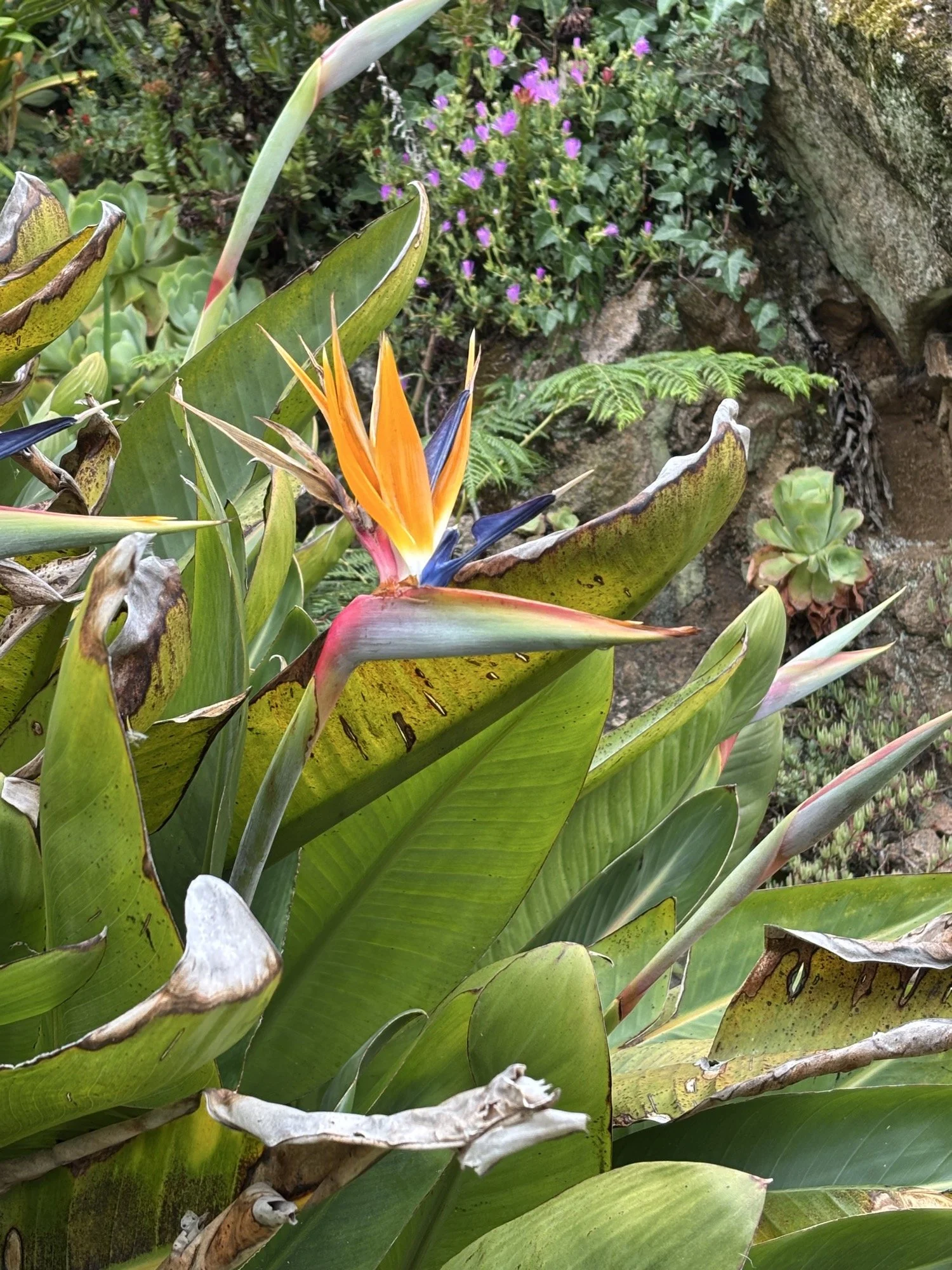
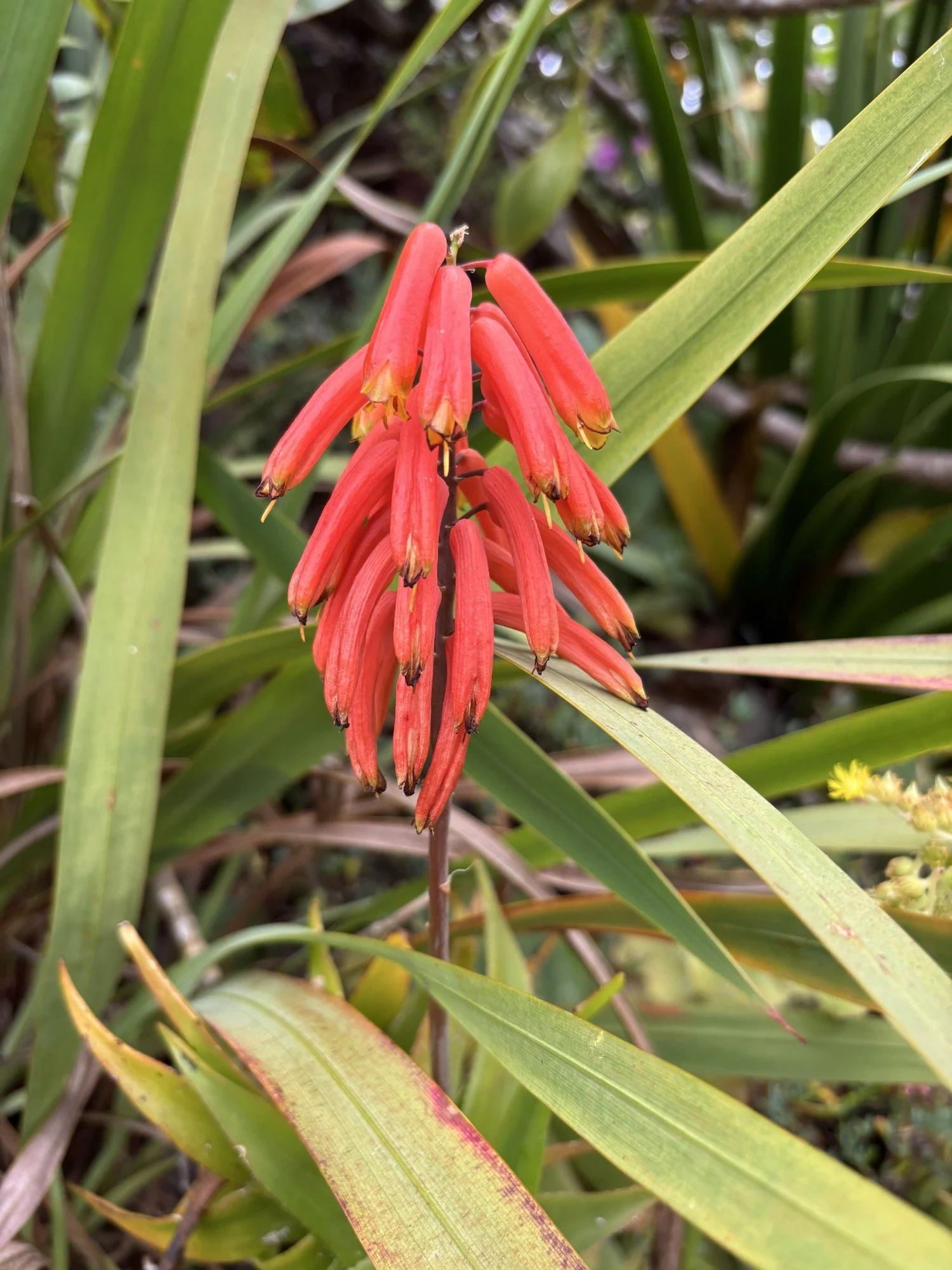
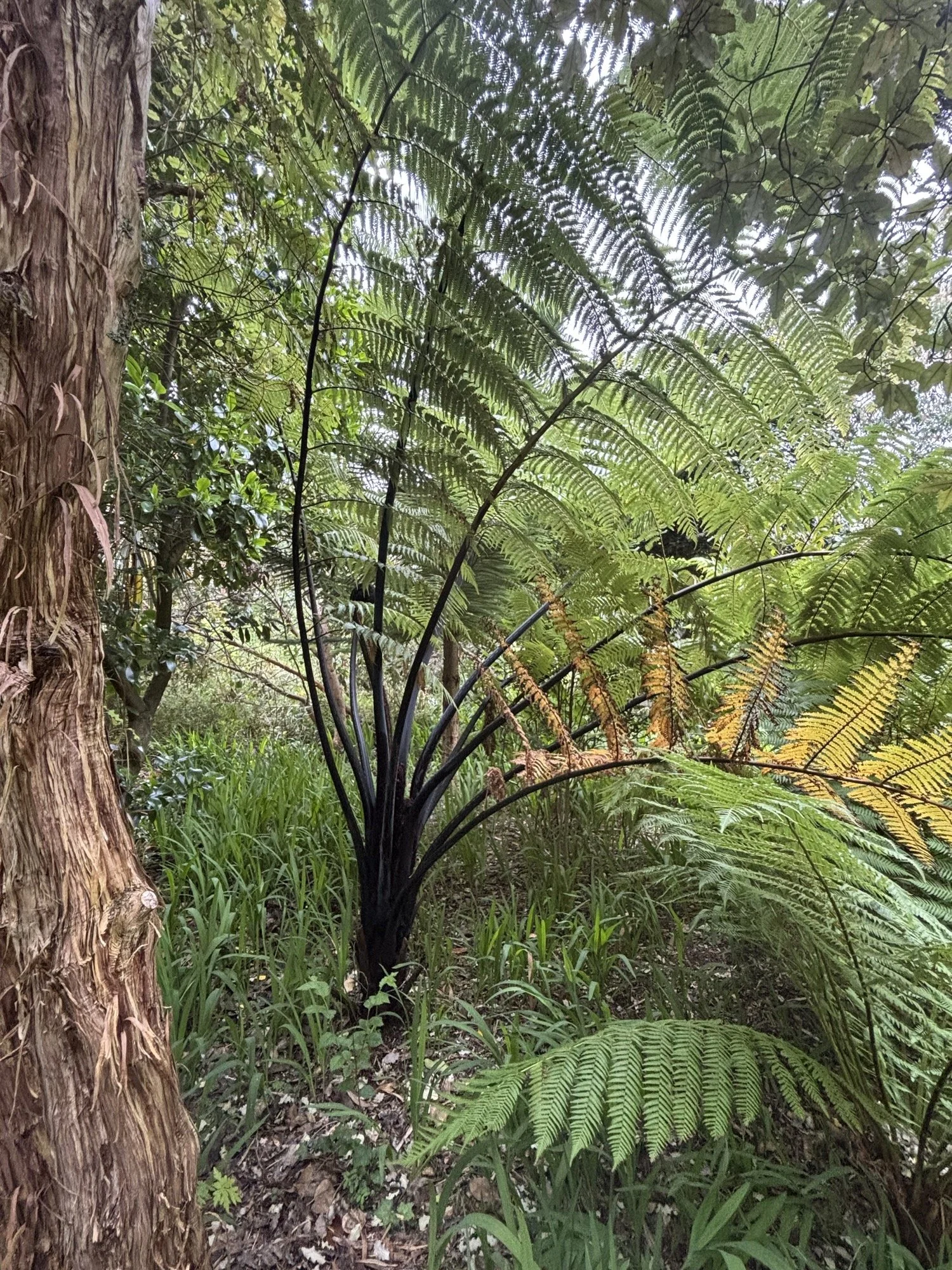
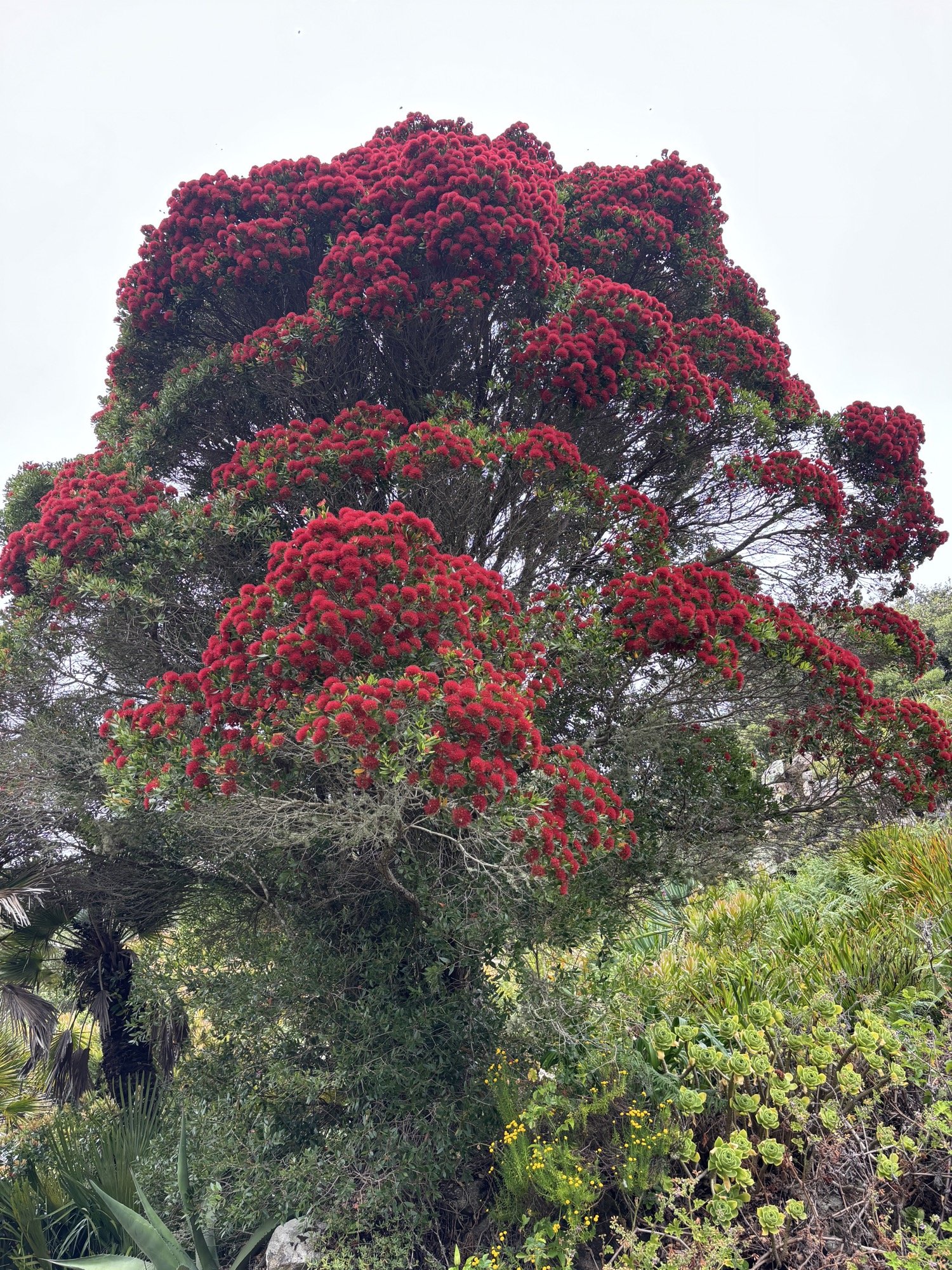
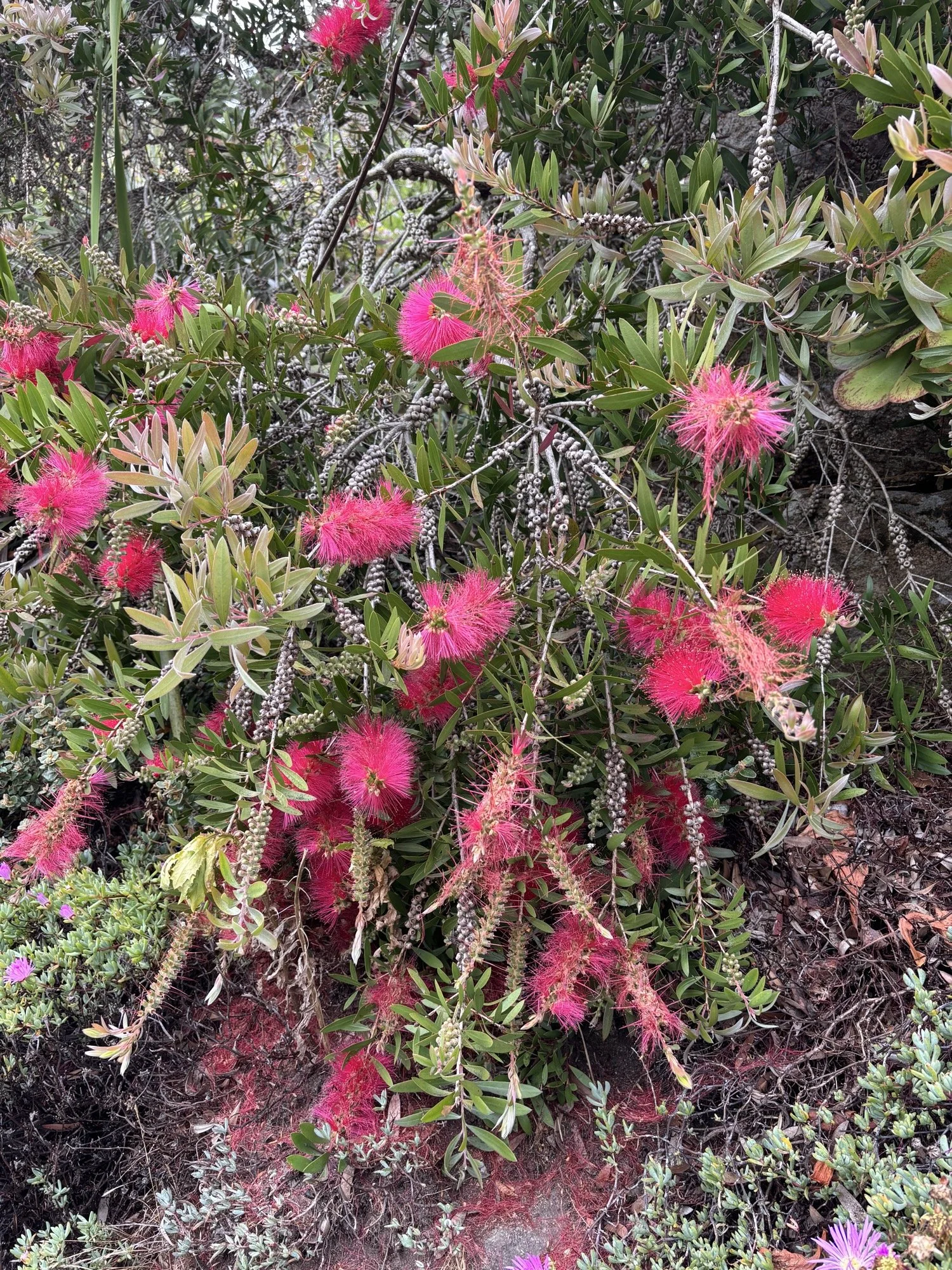
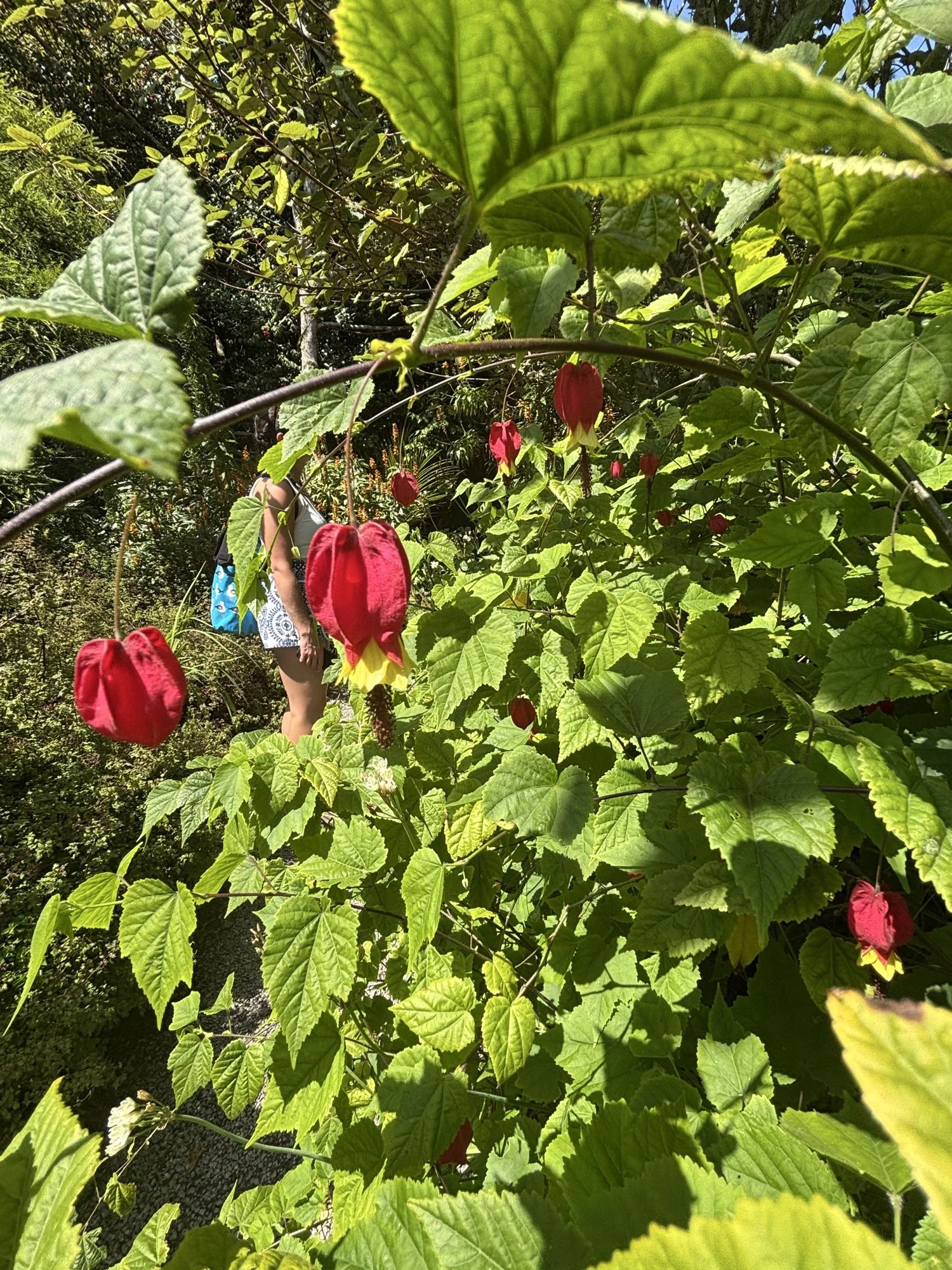
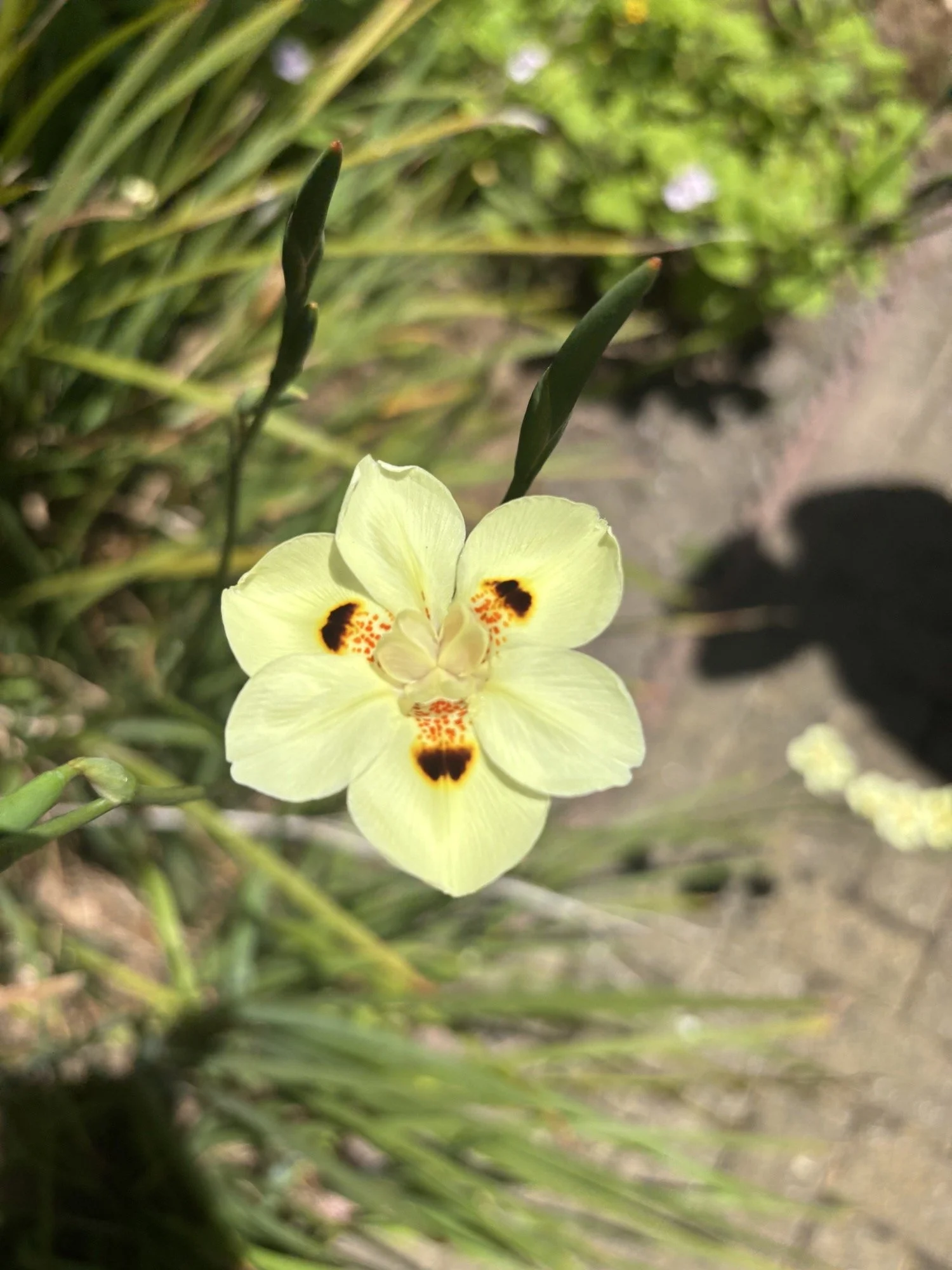
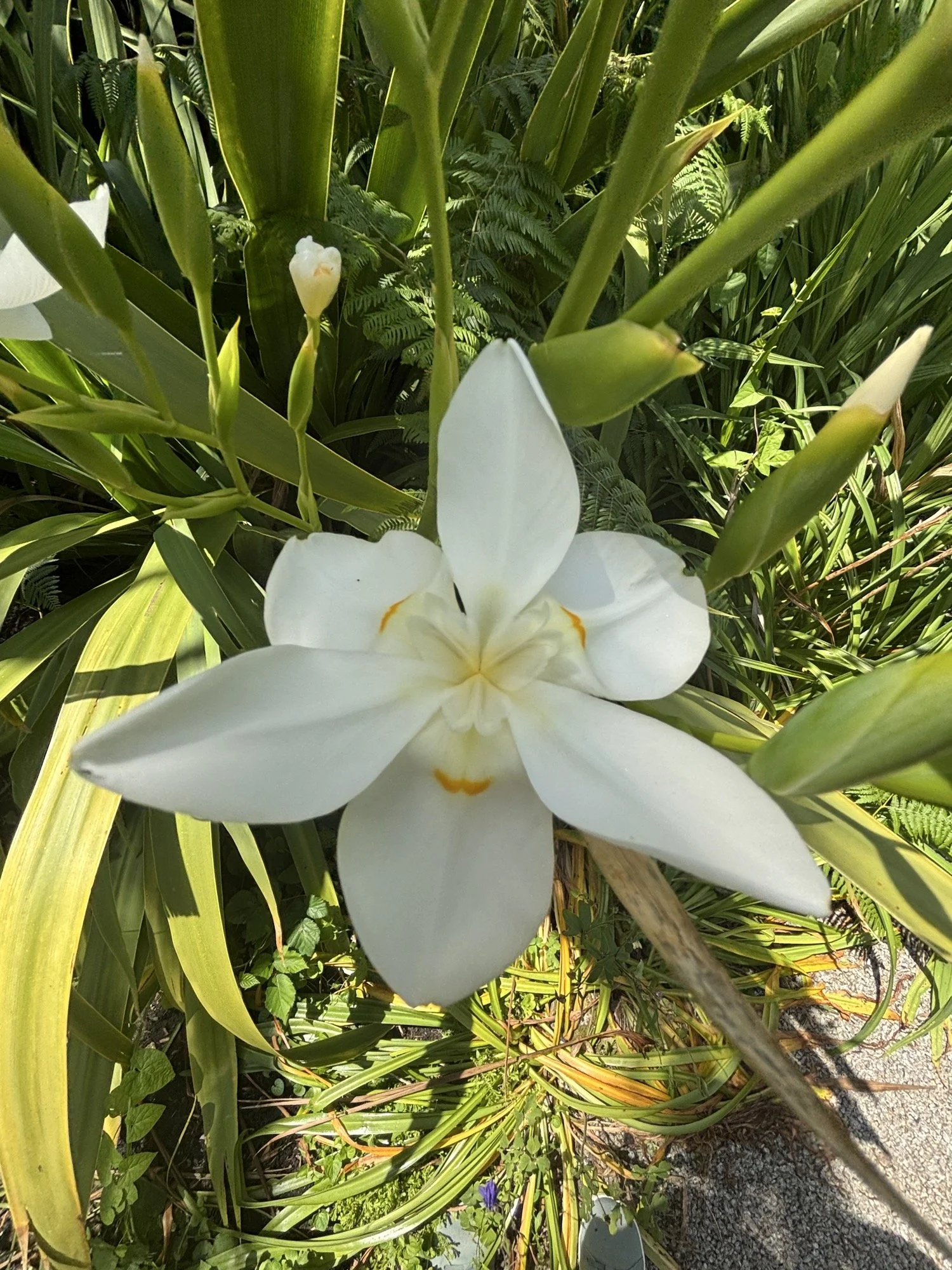
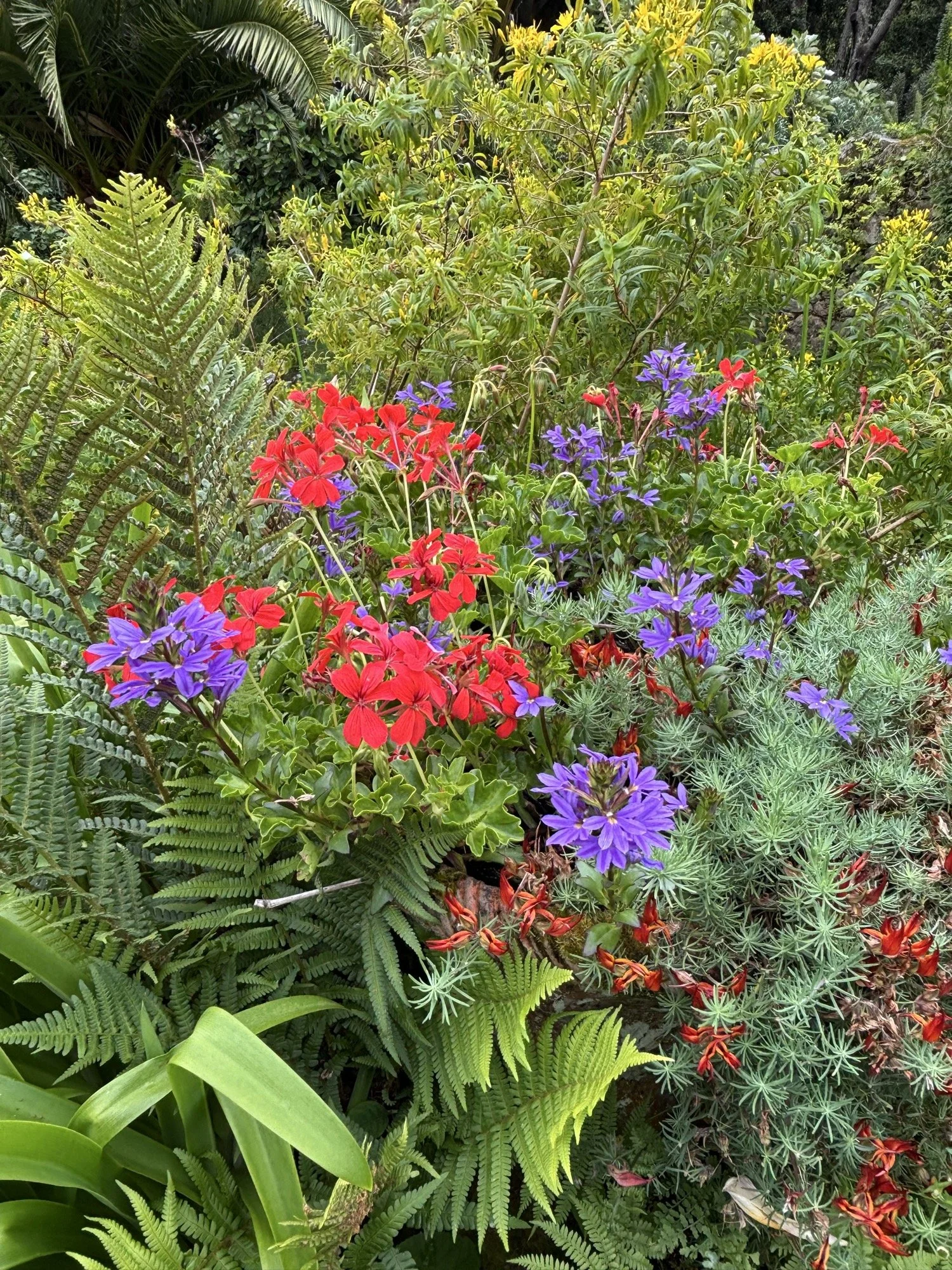
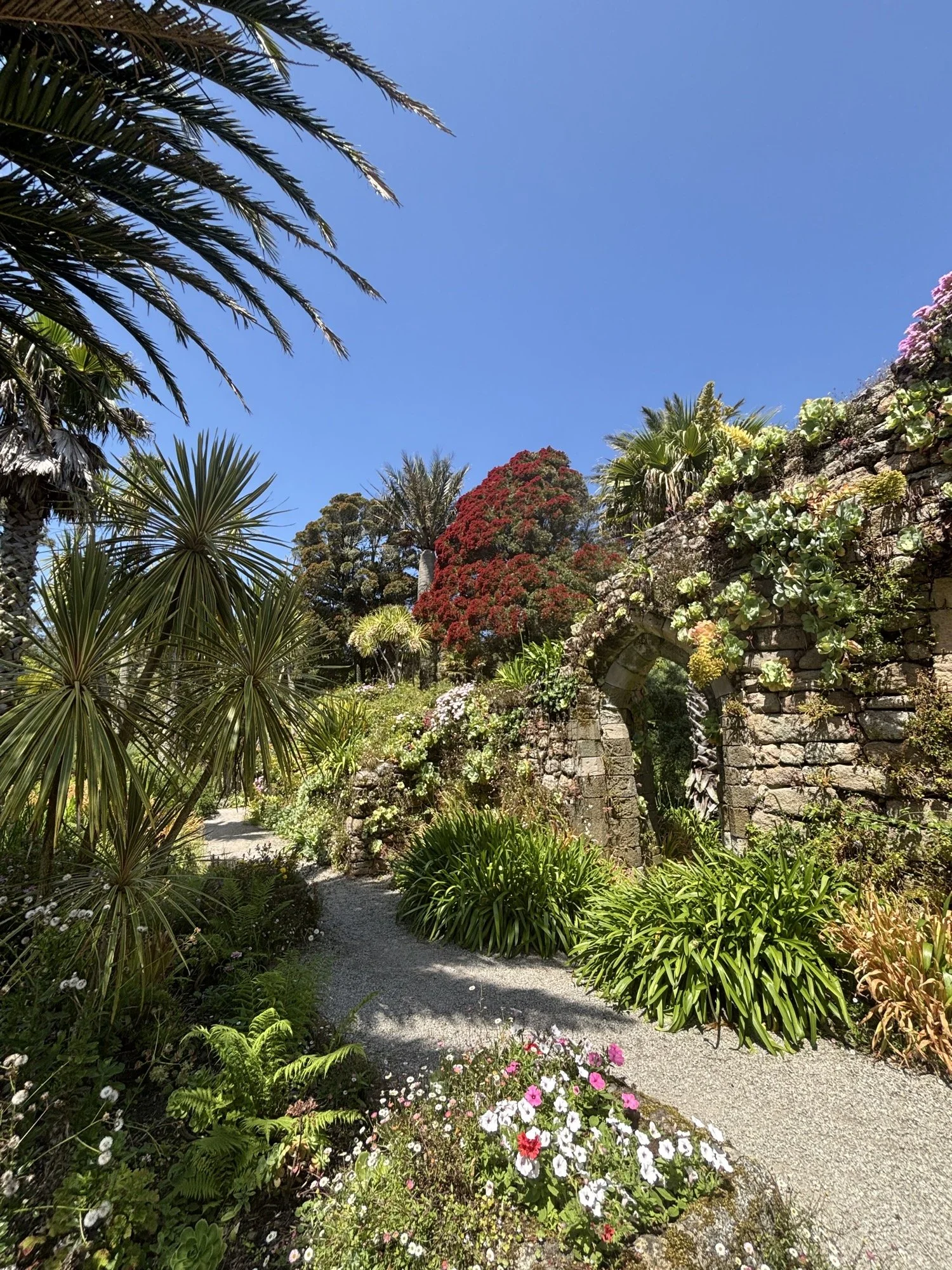
But of course it is always the plants which are the real stars of the show here. They receive a lot of publicity for being sub-tropical and growing things which you don't see on the mainland (especially outside Cornwall). The beauty of return visits though is that you look for your favourites. Even my (adult) children look for the proteas they remember and were astounded by as children.
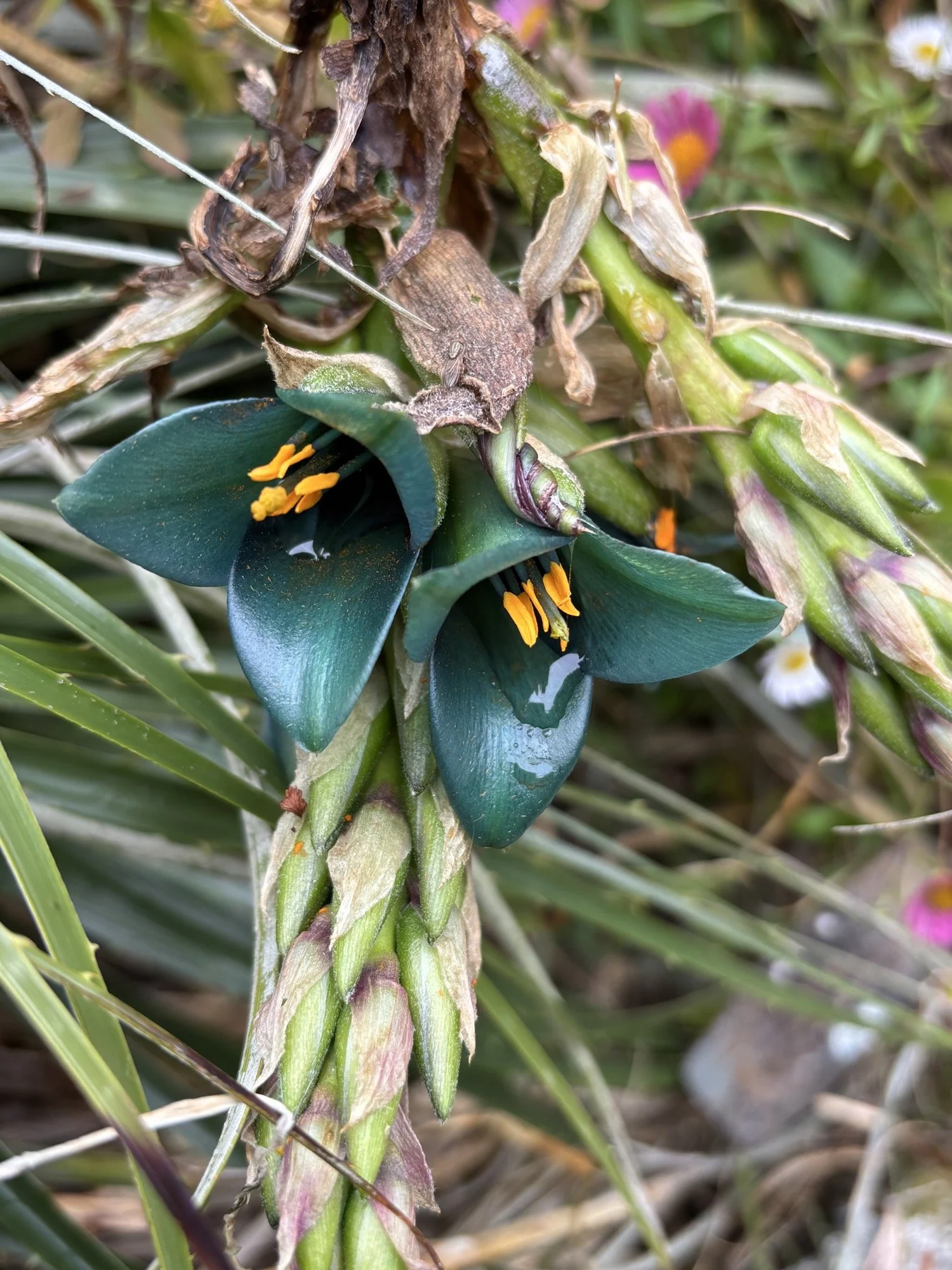
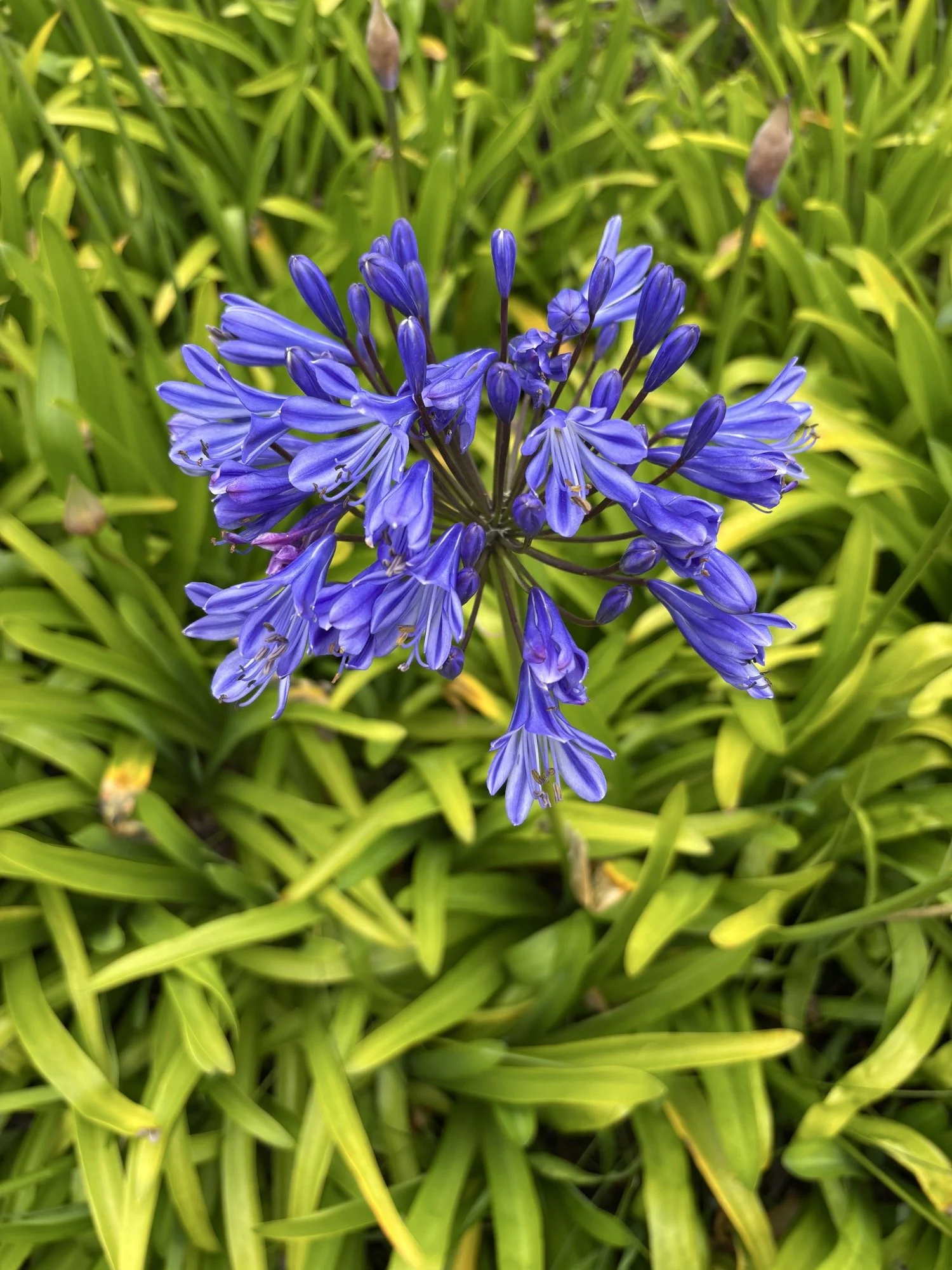
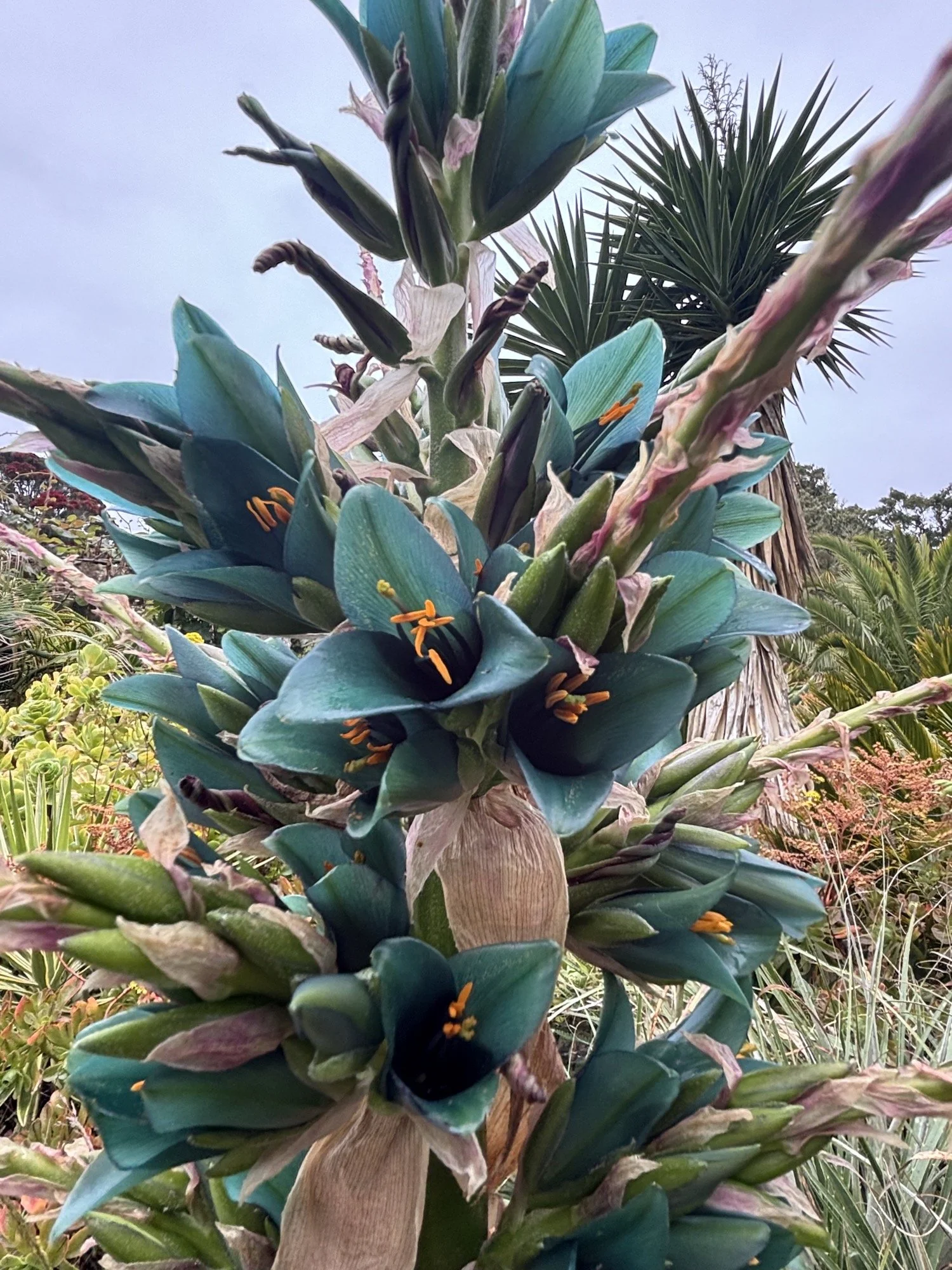
The labelling of plants is mixed - sometimes there's nothing to be seen and you really want to know what a particular plant is. Like this blue-flowered plant. I've never seen anything like it - that colour is just so rare in the plant world. A label would have been much appreciated… However, a quick google told me that it was the Jade Vine (Strongylodon macrobotrys), native to the rainforests of the Philippines.
It was a reminder to me that there are two ways of visiting a garden: you're either mooching around, absorbing the atmosphere, the design, the overall planting or you're homing in on the detail, seeking out individual plants and admiring their beauty, rarity, colour or form. My favourite gardens are always those in which I can do a bit of both. It's like a wave moving in and out of sharp and long-distance focus.
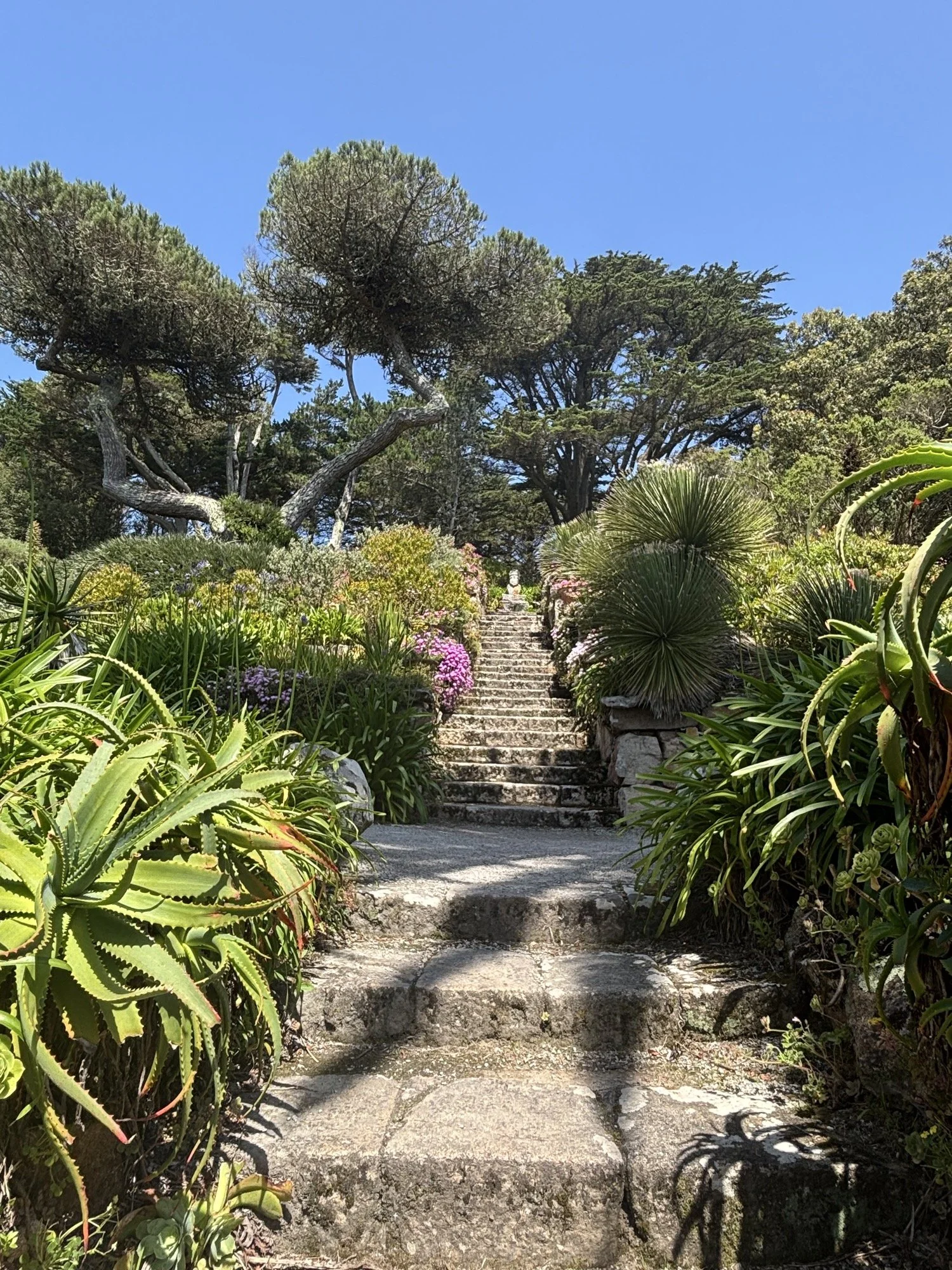
The Gardens were first created from 1834 when Augustus Smith leased the Isles of Scilly and built a house on Tresco. He named it Tresco Abbey as it overlooked an old Benedictine priory. He used its ruined walls to create shelter, alongside two new walls. The ground was south-facing and on a slope so terraces were cut and a shelter belt of trees were planted of Monterey pine and cypress. He then chose plants, trees and shrubs from South Africa, Australia and New Zealand to adorn the space. Friends gave him seeds and cuttings, including Sir Joseph Hooker of the Royal Botanic Gardens at Kew.
His nephew Thomas Algernon inherited and was the founder of the Islands' bulb industry. He further enhanced the garden with sub-tropical plants and increased the windbreak planting.
His son, Major Arthur Dorrien-Smith was a plant hunter during the first half of the 20th century. He brought back plants and seeds from New Zealand and the Chatham Islands to grow on Tresco. His father's shelterbelt enabled them to grow and thrive. Arthur received the Victoria Medal of Honour from the Royal Horticultural Society in recognition of his work.
Arthur's son Thomas (Commander Tom) spent his career in the Navy and brought back plants from the Cape in South Africa. He introduced tourism to the agricultural and flower industry which is now the main source of income on Scilly.
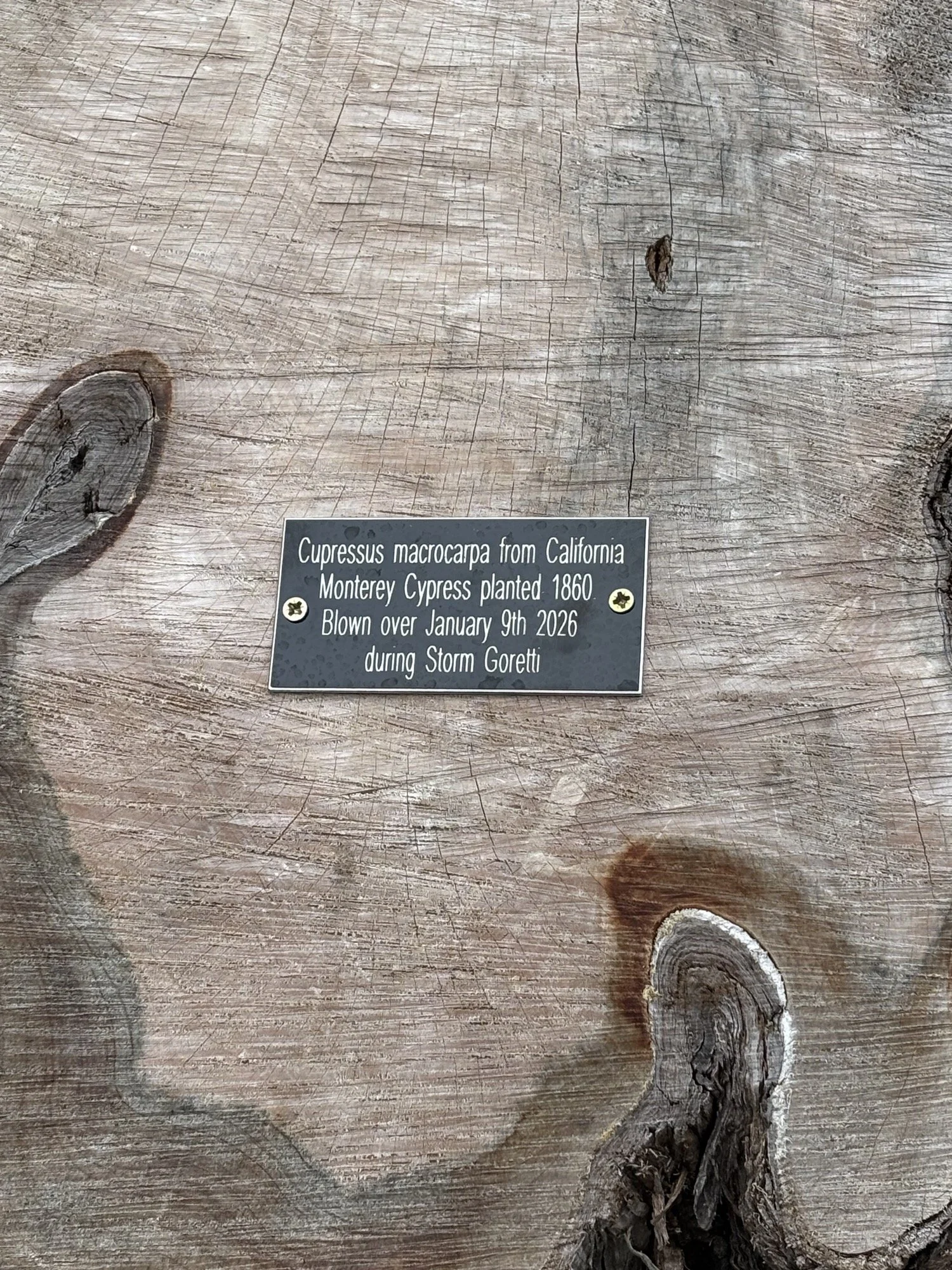
The reason all these plants survive here is due to the Gulf Stream passing right by Scilly and keeping the islands generally frost-free in the winter. They have early springs and summers which don't become overly hot. However, wind is always an issue, hence the immediate need for a shelter belt of trees in the early days. Storm Goretti brought hurricane-force winds to Scilly in January 2026, bringing down 400-500 trees across the islands. The shelter belt bore the brunt of the storm and hundreds of trees came down. They did their job and protected most of the plants.
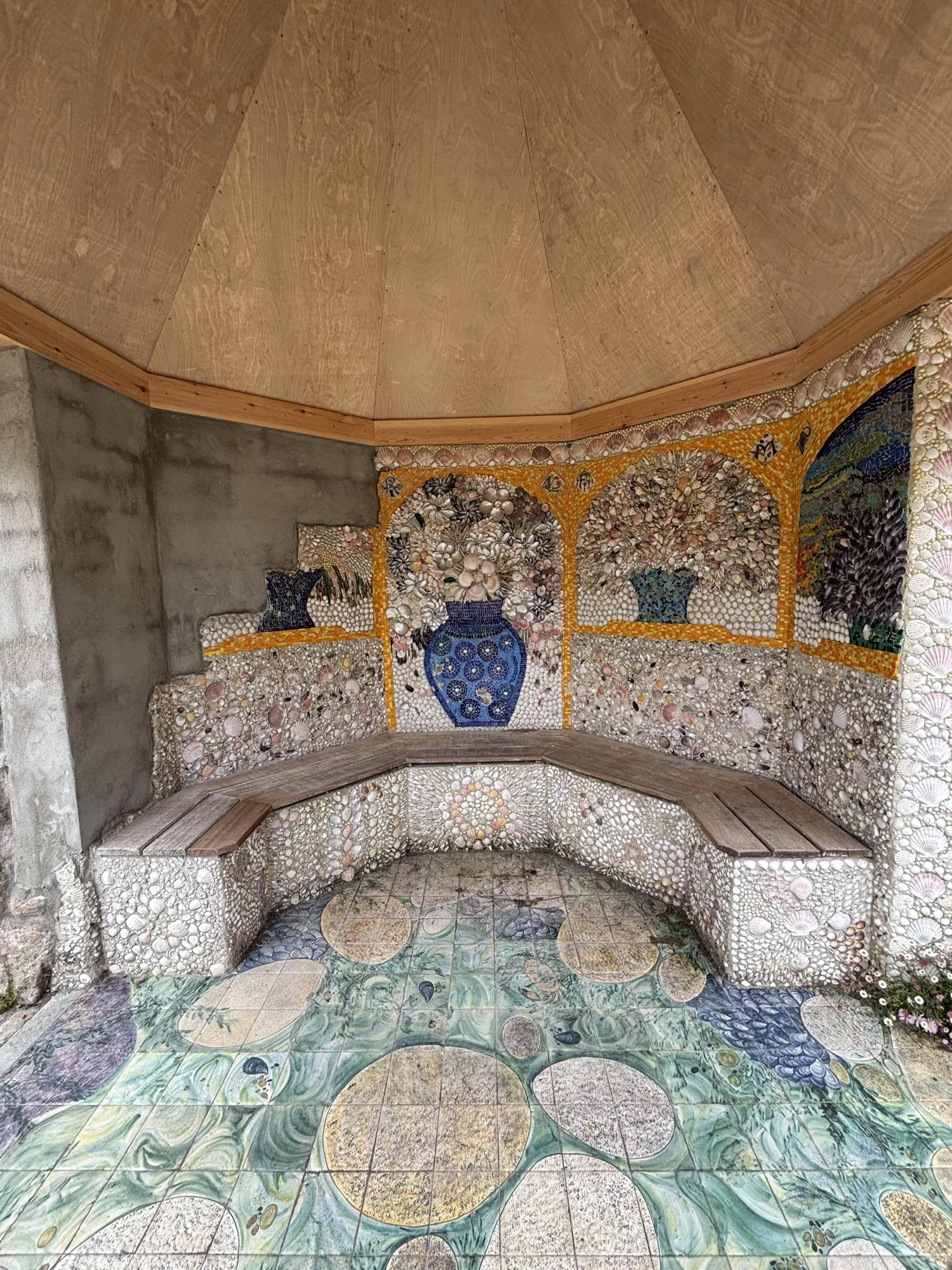
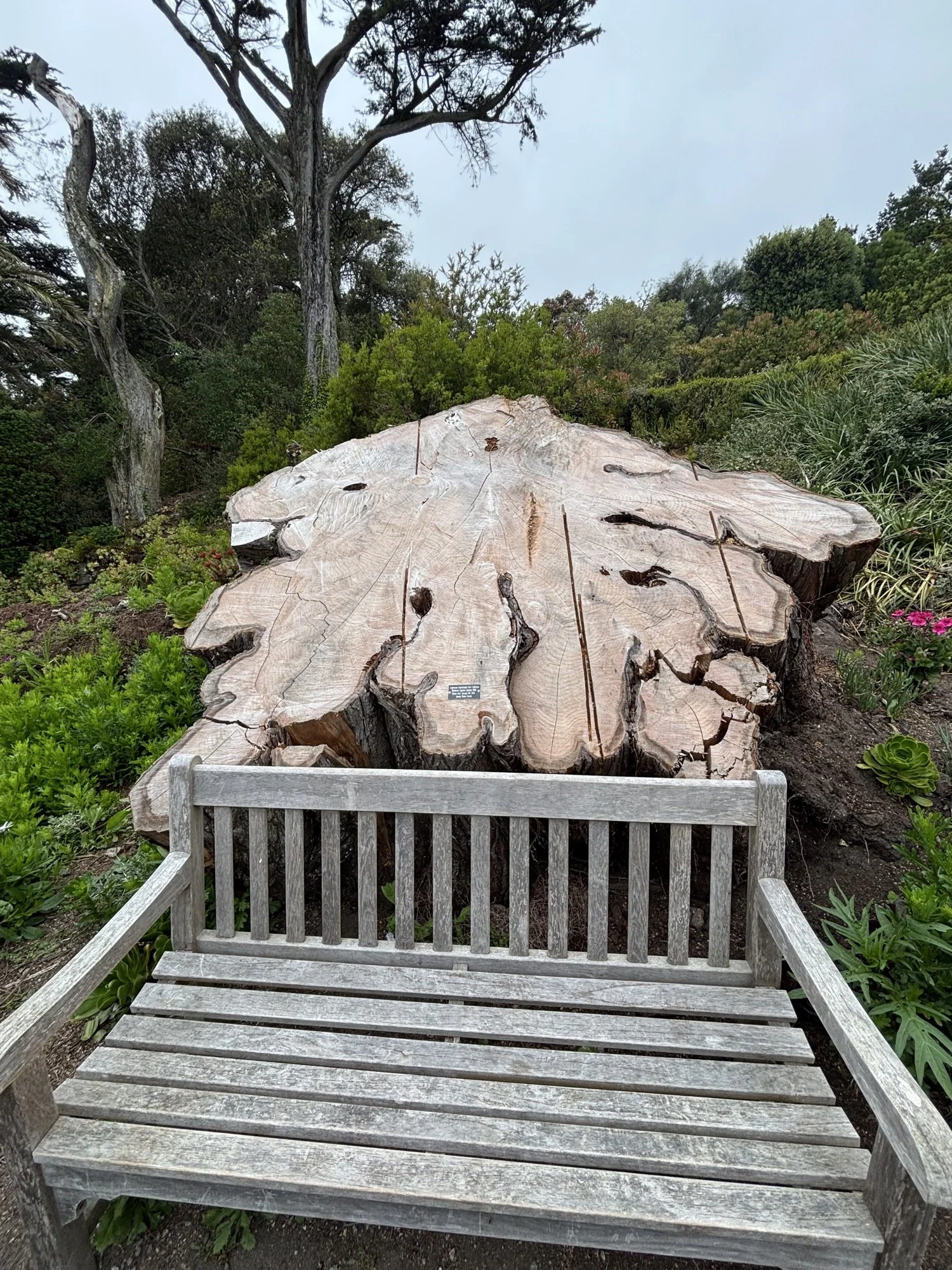
Just like the Shakespeare, turning the corner to view the beautiful Shell House, created by Lucy Dorrien-Smith, was always a highlight of each visit. We knew a large tree had come down on top of it and were anxious to see what damage had been done. An enormous stump of a tree was tilted at an angle across the borders. The chainsaws had done their work, and the white, fresh wood was a reminder of how recent this was. It's clearly going to be left there as a reminder, as a plaque had been attached to the stump. Just below it stood the back of the Shell House, its new roof looking just the same as the old one. With anticipation, we walked down the steps, wondering what we would see. To our delight, the bulk of the walls were intact - it was almost as we remembered. But a powerful reminder of what Mother Nature is capable of.
Walking through the island later we could see so many trees still lying. An amazing clean-up job has been done in the gardens themselves and apart from the fallen cypress by the Shell House, you could hardly tell that a hurricane had swept through six months earlier.
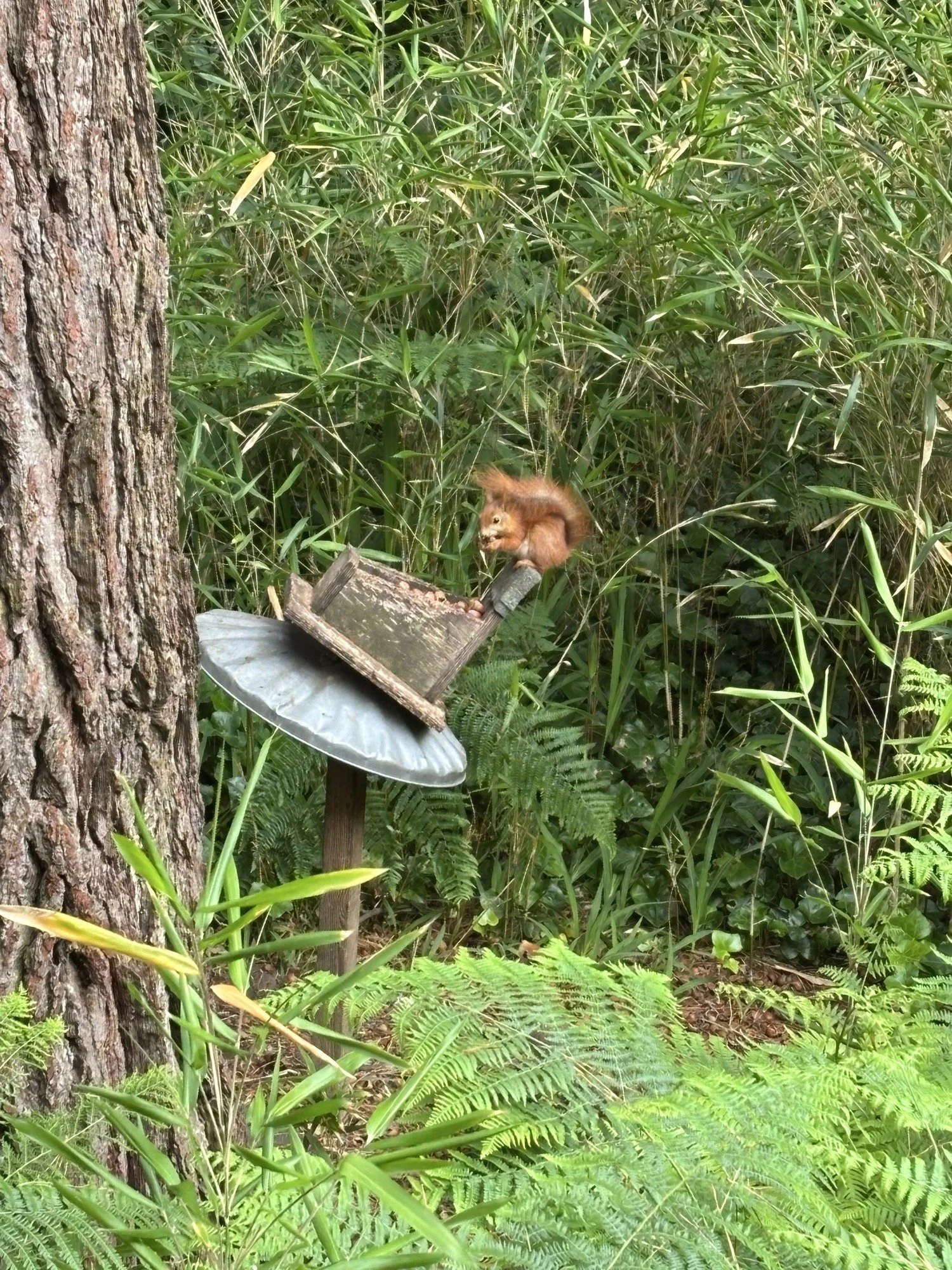
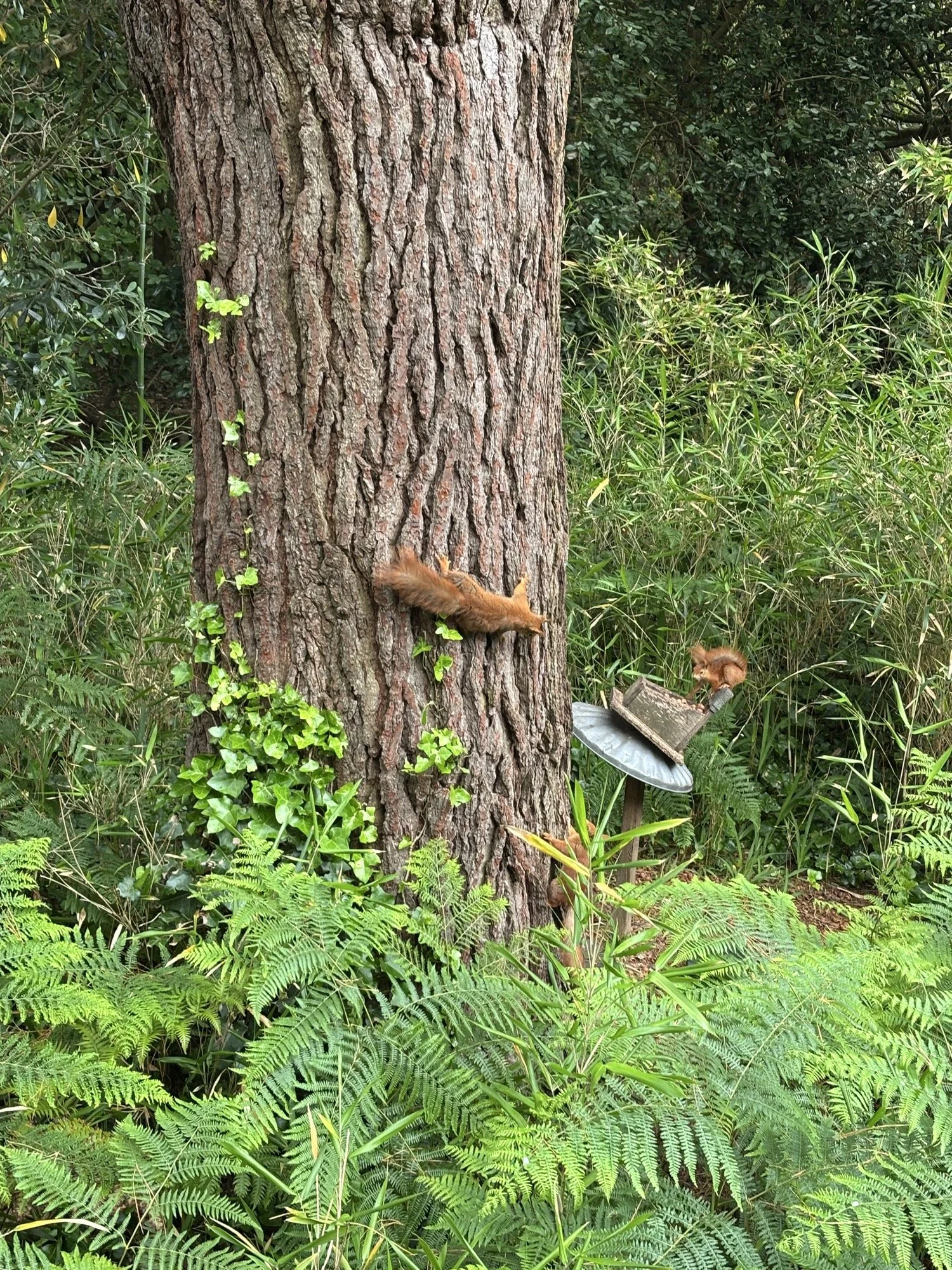
A recent introduction to the gardens are the red squirrels, and it seems to have been a great success - their antics, leaping from tree to feeder, delight visitors as they cross the blue wooden bridge into this magical space. Six months on from Storm Goretti, it's the squirrels, not the storm, that visitors will remember. The gardens, like the family who have shaped them for nearly two centuries, simply keep going.